Author: Marie Košárková

Celebrating The Rise Of Mobile Gaming Bets As A New Chapter In Southeast Asia’s Gambling Boom

Young adult happily using smartphone in bright café reflecting modern digital gaming lifestyle.

The entertainment economy in Southeast Asia is evolving, and mobile gaming is clearly leading that evolution.

The combination of convenient and efficient mobile banking alongside smartphone accessibility and a digitally fluent population has brought previously in-person betting and casino experiences into users’ hands.

Southeast Asia’s population, particularly the younger demographic, is very comfortable with app-based mobile services, enabling a rapid evolution of the entertainment economy and leading mobile gaming bet platforms to be the primary interface for modern wagering experiences.

Mobile betting services are leading the entertainment economy’s evolution, as they are changing how the economy flows and how consumer entertainment dollars are spent.

The integration of payment options, equity mobile betting services, and games, coupled with promotions and consumer engagement, provides a streamlined and convenient solution for consumers needing to gamble digitally.

This has shifted consumer gambling activities to be a part of the larger economy, including fintech, analytics, and digital marketing.

Economic Activity Beyond Traditional Mobile Gaming Revenues

Mobile gaming, particularly wagering, has positive effects on the economy that go beyond the mobile gaming revenues generated.

The mobile gaming economy relies on new digital services for cellular telecommunications, building on a formerly existing digital ecosystem.

The services that are provided for the mobile gaming ecosystem, such as technology infrastructure, digital security, and customer service, are also reliant on new digital services.

The growth of the mobile gaming ecosystem and the economy it supports depends on all these services, both new and existing.

User experience design, data science, digital compliance, and payment processing have seen considerable growth, and the emergence of increased roles in relation to employment patterns continues to gain momentum.

With the growth of current online gambling roles, positions remain to offer competitive salaries and provide skills transfer opportunities to adjacent technology sectors.

This reinforces perceptions of online gambling as an industry of innovation rather than an industry with stagnated growth.

Structural changes in an industry affect how consumers spend their money.

Changes in consumer behavior spending through micro-transactions, loyalty systems, and real-time engagement features create repeat economic activity instead of one-time payment.

This behavior positively impacts the longevity and sustainability of a platform, especially in relation to the app economy.


ALSO READ: The Hidden Economic Momentum Behind Norway’s No Deposit Casino Culture


Catalyst of Change in the Industry

Mobile gambling applications will always have a reliance on improved technology. Cloud computing is intrinsic to peak usage, as well as consumer trust in the digital transactions through improved encryption and systems of identity verification.

Usage patterns and activity history yield personalized game experiences through artificial intelligence.

Improved entertainment comes from live-streaming functions and the interactive nature of the mobile gambling applications, as previously mentioned.

Users of mobile gambling applications are no longer passive participants but rather are empowered decision-makers in dynamic environments.

Increased engagement through interactivity draws parallels to mobile gambling applications and other forms of digital entertainment, such as online gaming and streaming.

A Region Embracing Digital Entertainment

Southeast Asia’s evolving economy sustains the region’s upward trend. Growing middle-income populations, urban migration, and cross-border trade in digital services positively impact regionally integrated digital commerce.

Improved and balanced regulations between consumer protection and industry growth create a more stable operating environment for commerce.

There is optimism regarding the evolution of this sector due to the technological restlessness of the region and, most importantly, the demand for digital interaction in the economy.

There is growing confidence in the sector as operators improve and implement self-regulating and responsible gaming measures, as well as greater transparency.

Consequently, the shift towards mobile-focused betting reflects Southeast Asia’s digital economy and showcases the region’s gaming sector.

The Hidden Economic Momentum Behind Norway’s No Deposit Casino Culture

Happy person using laptop at home, bright window light, relaxed modern atmosphere.

Despite the several types of incentives that online gambling platforms implement, few tactics have been as impactful as the no deposit bonus in Norway (bonus uten innskudd norge).

As a type of offer, the no deposit bonus allows new players to access digital casinos without needing to make a deposit, thus serving as an introduction to a broader and expanding digital entertainment market that encompasses technology, marketing, and consumer behavior.

A Growing Digital Market

According to global trends, Norway has been experiencing growth in online casino participation, which is part of the broader digital entertainment expansion. The ability to play from the comfort of one’s home has made promotional incentives a powerful tool for establishing brand loyalty.

The proposition is that players are provided the opportunity to play demo games, allowing the platform to showcase its user experience, interface, and payout efficiency in return.

This approach is not novel, as it aligns with a growing trend in various digital markets that provide free trials to users.

Just like music streaming applications that offer free streaming periods, online casinos offer users credit-based systems to introduce players to their platforms so that no financial commitment is made.

The Impact of No Deposit Offers on Spending Behavior

The impact on the economy begins with the very first engagement. Once a player finds a site they like, they will use their own personal funds to play. These bonuses promote a gradual and thoughtful level of engagement and activity, rather than encouraging large immediate deposits.

Casino operators derive a significant portion of their revenue from the increase in active and returning users. This approach leads the platform to reinvest in gamification, customer support, partnerships for new games, and tools for responsible gambling.

Therefore, this ecosystem benefits both the providers and the regulated market frameworks.

The Increasing Pace of Development

The growing competition among online casinos drives the industry towards continuous innovation. These sites need to go beyond providing instant bonuses. These days, they focus on the variety of games on offer, the user experience, mobile engagement, and the ease of cashout processes.

This enhances the quality of gambling, which benefits the players.

The same competition is encouraging more innovative and relevant offers. Smaller and new casinos use the no deposit bonuses to counter the branding of large and established casinos. Such activity breaks the market monopoly and encourages active innovation in the gambling economy.


ALSO READ: Unlocking Tax Revenue: Pragmatic Slot Games as Tools for Malaysia’s National Development


The Socioeconomic Gains that Extend Beyond the Gambling Sphere

The increased participation at digital casinos impacts more than the gaming industry. There are marketing firms, payment processors, software makers, and call centers that support and simultaneously benefit from the digital gaming industry.

New employment, collaborations, and evolving tech all come as a result of this activity. What this means is the digital gaming industry is contributing to a more profound level of economic activity beyond virtual slot machines.

Conclusion

No deposit bonuses are more than mere promotional devices. They foster user recruitment and engagement while stimulating economic and technological advancement.

The continued evolution and expansion of online gambling and these bonuses fundamentally shape the interaction of players with various platforms and the emerging structures of the digital entertainment economy.

Unlocking Tax Revenue: Pragmatic Slot Games as Tools for Malaysia’s National Development

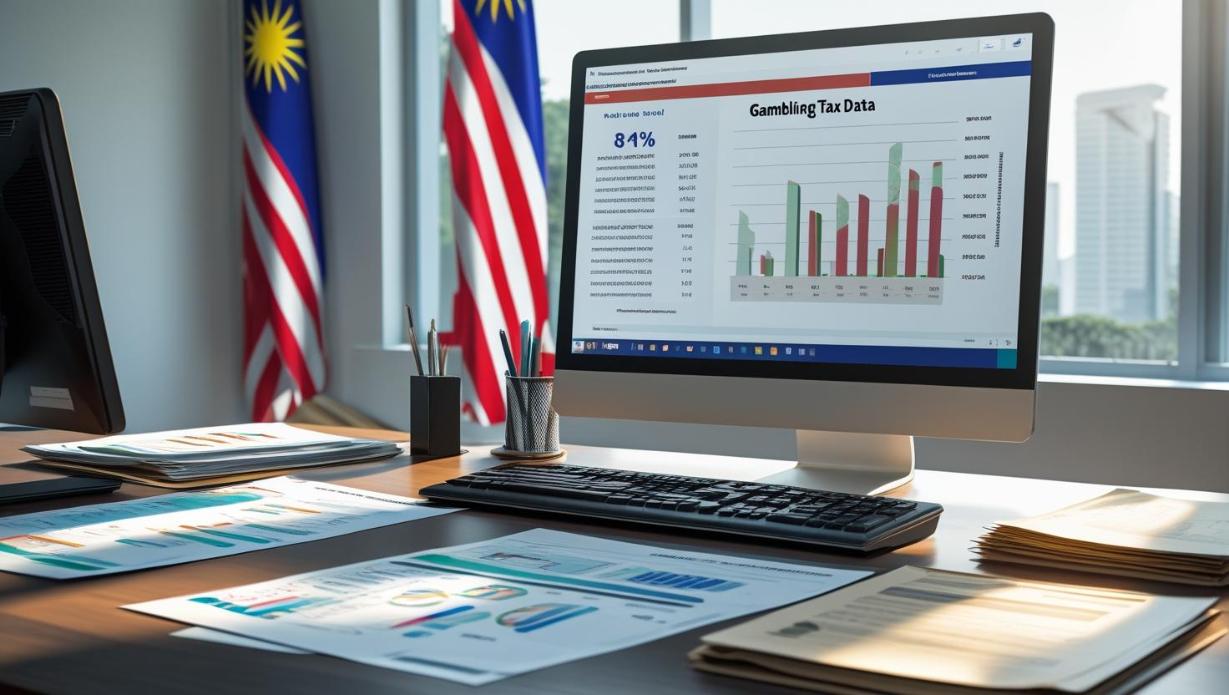
Government office desk with gambling tax reports and Malaysia flag in background.

Malaysia is witnessing rapid growth in digital entertainment, and online gambling sites are at the forefront of that wave. Within this space, pragmatic slot games have captured many players because they combine rich graphics, simple rules, and broad device compatibility.

Beyond the thrill they provide, these platforms also represent a real economic asset for the country. By moving to a legal framework and imposing an appropriate tax regime, Malaysia could convert current player spending into meaningful revenue for development agendas.

Legalization and Regulation: A Revenue Opportunity

Around the world, the push to regulate online gambling stems from both consumer expectation and the need for public funds. Countries such as the United Kingdom and several European nations now collect billions each year from licensed operators.

Adopting a parallel approach would allow Malaysia to bring its pragmatic slot segment under supervision and reward, turning it into a reliable line for the national budget. A clear regulatory structure would protect players, curb fraud, and formalize an already vibrant market that now largely operates in the shadows.

Direct Tax Contributions

A properly licensed and taxed regime for online slot suppliers such as Pragmatic Play would oblige the company to pay corporate income tax, value-added tax, and annual licensing levies. Each bet placed via a site regulated in Malaysia contributes a small but steady tax increment.

As player activity grows, this incremental revenue compounds, producing a sustainable and legally accountable stream of funding that rises in tandem with market demand—an attractive blend of economic growth and measured oversight.

Funding Public Services and Infrastructure

The nation can direct earmarked tax streams toward its pressing priorities, which is perhaps the clearest upside of legal online gaming. Profits from regulated slot operations may in turn support public health clinics, expand schools, upgrade transport networks, or finance digital literacy schemes.

In this way, consumer entertainment spending is linked directly to civic improvement, transforming a leisure pursuit into a shared investment in long-term national advancement.


ALSO READ: Bets10’s Security and Licensing: How Trust Drives Gambling Economy Growth


Strengthening Malaysia’s Digital Economy

Beyond headline taxes, a sanctioned slots market reinforces the broader digital economy. Licensing rules oblige operators to build secure payment gateways, reliable back-end platforms, and responsive customer-service layers.

These requirements generate jobs, attract foreign capital, and deepen local tech know-how while granting Malaysian fintech start-ups a safe space to innovate. In sum, a legal slots framework not only safeguards players but also fortifies the country’s standing as a forward-looking digital hub.

Reducing Illegal Gambling and Improving Transparency

Unlicensed gaming drains public revenues and exposes players to fraud. Authorizing licensed slot sites creates clear rules, guarantees game integrity, and safeguards customers. When operations are open and audited, confidence rises, persuading former patrons of illicit venues to choose government-approved options, expanding the tax base.

Conclusion

By embracing the growth potential of licensed online slots, Malaysia can channel an existing, vibrant activity into a secure, revenue-rich sector. Supportive regulation will turn every spin on a screen into a steady economic contribution, reinforcing the nation’s path to resilient and equitable development.

Bets10’s Security and Licensing: How Trust Drives Gambling Economy Growth

A professional office space with a person using a laptop, conveying trust and security.

The reputation of an operator is crucial in the rapidly expanding online betting sector. Bets10, an established online betting operator, is making waves as they focus on security and licensing as means to win the trust of their users.

It greatly enhances the gambling economy with platforms supporting bets10girislink, ensuring fair play and protecting customers’ interests, compliance with regulations, and proper business conduct in the gambling industry.

The Role of Licensing in the Gambling Industry

Adequate licensing serves as one of the principal aspects used by gamblers to rate a platform’s level of security. Bets10 is licensed and operates under the Malta Gaming Authority (MGA), one of the leading regulators in iGaming.

This license guarantees users that they are dealing with a platform that operates within defined laws and meets the necessary industry standards in dealing with fairness, security, and transparency, which enhances the credibility of online betting amidst reduced risks.

Bets10’s acquiring the confidence of its players translates into its success and growth and contributes to the stability of the gambling economy.

A credible license prevents fraudulent actions and protects players. Such regulation is vital to the health of the gambling economy because it attracts players who want to gamble in a secure environment.

The confidence players have in licensing helps in player retention and satisfaction, which is critical for sustainable income for both operators and affiliates.

Establishing Confidence with Secure Wagering Websites

We cannot neglect the other fundamental element of online gambling: security. Bets10 stands out from the competition due to its extensive protective measures against threats, data breaches, and other potential security risks.

The platform employs a combination of cutting-edge encryption technologies and complies with international data protection laws to ensure the confidentiality of personal and financial data.

Players who perceive a high level of security in online gambling are likely to deposit more money, increase their wagers, and stay loyal to the platform over a longer period of time. All of this contributes to improved trust in the security of the gambling platform, which propels the gambling economy.

Independent testing firms also carry out regular audits, and this, in combination with two-factor authentication, strong data encryption, and the like, undoubtedly proves that Bets10 offers a secure environment for its patrons.

These measures greatly enhance the individual prospects of Bets10 and, at the same time, bolster the reputation and development of the internet gambling industry as a whole.


ALSO READ: Common Mistakes in Setting Poker Game Goals


How Licensing and Security Impact the Gambling Economy

Consumer trust drives the gambling economy. The profitability of online betting increases with the participating population. To maintain industry growth, licensed and secure outlets are essential.

The effects of security and licensing extend beyond the end-user; they lead to greater investments in the industry. Investors tend to favor gambling sites that operate within legal frameworks and secure guidelines.

By focusing on security, proper licensing, and other safety measures, Bets10 and other platforms further the economy by paying taxes, directly creating employment in the industry, and indirectly increasing revenues from affiliate marketing and other gambling-related services.

Conclusion: Why Trust is Essential for Growth

Lastly, security and licensing factors, without a doubt, contribute immensely to the growth of the gambling ecosystem. Bets10’s generous security measures and reliable licensing have carved out a place for the business in the market and simultaneously showcased a model for others to emulate.

By putting the safety and health of its players first, Bets10 contributed to a stabilized gambling atmosphere that allowed the economy to prosper.

In the case of the online gambling market, trust is and will continue to be the most vital element in determining its success, and platforms like Bets10 are illustrating how a true commitment to these principles can reap rewards for many years to come.

Common Mistakes in Setting Poker Game Goals

Online poker and online casino have been taking the gaming world by surprise. Gone are the days when people used to go down to the nearest local casino to play gambling with friends because today they can have the pleasure of playing it anytime, anywhere.

Mistakes on playing online poker, are perhaps normal. So don’t fret! What’s not normal is when you don’t acknowledge that you are already committing a mistake, because that can ruin a winning game for you.

To help you avoid doing mistakes, here are a few common mistakes to watch out for.

1 Setting Goals Without a Plan of How to Achieve Them

This is so common. Most cases are when people set goals with no guts and move to achieve them. For example, a player says “I want to win $50,000 this year from poker” but then has no idea how he is going to do it. Then that should definitely be a no-no.

2 Setting Monetary Goals

Remember, poker is a game of luck! And every day may not always be your lucky day. You have to know that you have only partial control over how much money you’re going to win in poker. People like to set money-related goals because it’s easier to measure and, after all, that’s one of the petty reasons why we are playing casino! But the problem lies in the fact that Lady Luck necessarily plays a massive part in affecting how much you win.

3 Not Setting Goals That Are Appropriate for You

Try setting goals that you have complete control over such as only playing when you’re 100% up for the challenge, playing without distractions, taking more notes on players, or learning a new game. 


𐌢