

The Rise of Digital Gambling Platforms and Their Role in Poland’s Online Economy
Poland’s regulated online gambling market has expanded steadily over the past decade as internet access, digital payment systems, and mobile technology have become more widespread. Data from Statista, the Polish Ministry of Finance, and the European Gaming and Betting Association (EGBA) shows that online gambling has become an increasingly visible part of Europe’s digital economy, contributing tax revenue while reshaping how consumers access entertainment.
Supporters and critics often view this transformation through very different lenses. Industry observers point to regulated operators, technological innovation, and tax contributions as signs of economic progress, while others emphasize consumer protection and market risks. Reports and information from 22Bet, alongside regulatory publications and market research, illustrate how digital gambling platforms have become part of broader discussions about Poland’s evolving online economy rather than existing as isolated entertainment services.

Economic Arguments Supporting Digital Gambling Growth
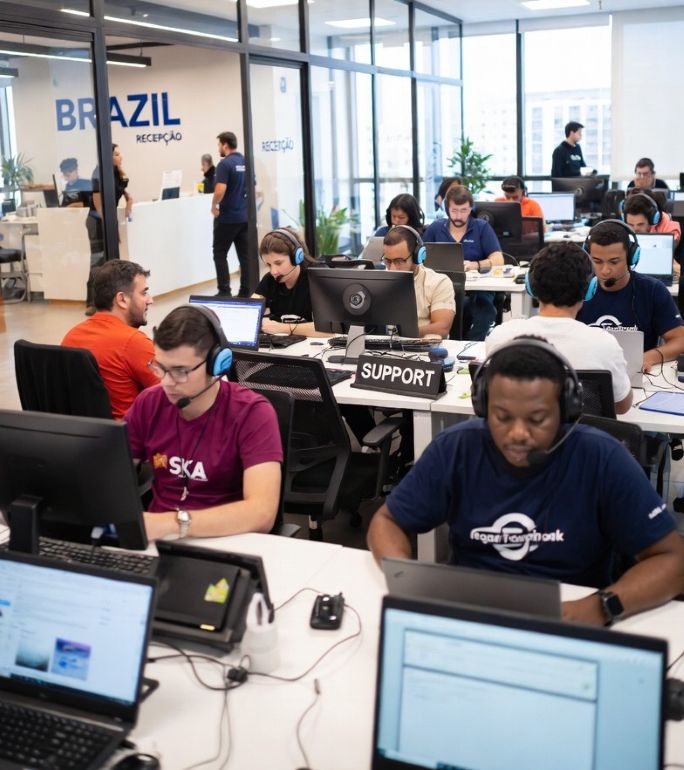
One perspective highlights the contribution of licensed online gambling businesses to economic activity. Digital operators invest in software development, cybersecurity, payment processing, customer support, compliance systems, and digital marketing. These activities generate employment opportunities across several technology-related industries instead of limiting economic value to betting transactions alone.
Research published by Deloitte has shown that regulated digital industries often create wider economic effects through technology investment and business partnerships. Gambling platforms depend on secure infrastructure, cloud computing, fraud detection, identity verification, and responsible gaming systems. These supporting services create demand for professionals in information technology, finance, legal compliance, and digital operations.
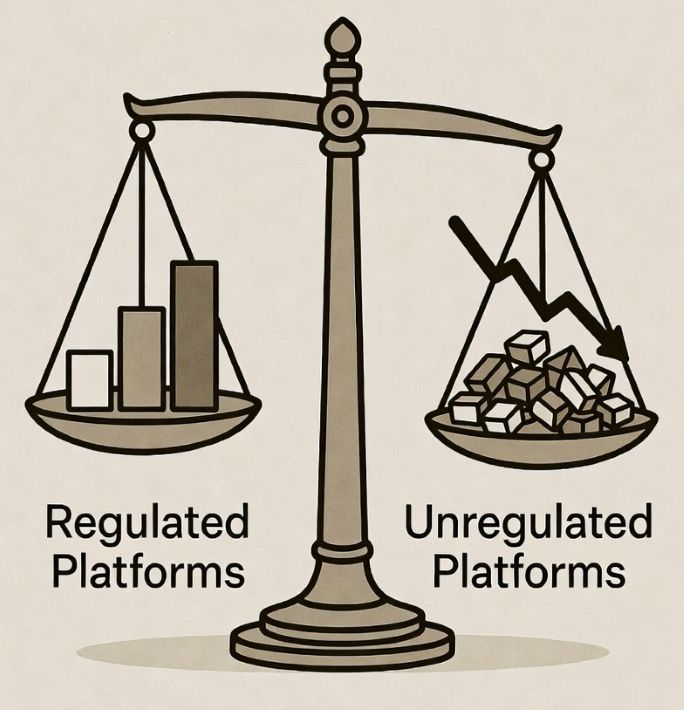
Advocates also argue that regulated online gambling keeps consumer spending within licensed environments where governments can monitor activity more effectively. Compared with unregulated websites operating outside national oversight, licensed platforms are generally required to follow local tax rules, consumer verification standards, and anti-money laundering regulations.
The Importance of Tax Revenue
Tax generation remains one of the strongest arguments supporting regulated online gambling markets. Governments collect revenue through licensing fees, corporate taxation, and gambling-related taxes that may contribute to public spending.
According to the Polish Ministry of Finance, gambling regulations aim to balance consumer access with public oversight while reducing illegal market activity. Tax income generated from regulated operators becomes part of broader government revenue rather than remaining outside the formal economy.
Supporters argue that these funds can help finance public services, infrastructure projects, healthcare initiatives, education programs, and regulatory enforcement. Although gambling taxes represent only one component of government income, they demonstrate how digital entertainment businesses can participate in the formal economy.
This broader online casino sector also contributes through employment, supplier contracts, technology procurement, and financial services that extend beyond direct gambling activity.
Changing Consumer Spending Patterns
Consumer behavior has evolved alongside digital commerce. Mobile applications, electronic wallets, and faster payment systems have encouraged people to complete more financial transactions online, including regulated entertainment services.
Studies from McKinsey & Company indicate that consumers across Europe increasingly expect seamless digital experiences in banking, retail, travel, and entertainment. Gambling platforms have followed similar technological trends by emphasizing mobile accessibility, identity verification, and secure payment infrastructure.
Some economists suggest that regulated digital gambling simply reflects wider changes in consumer preferences rather than creating entirely new spending habits. Others disagree, arguing that constant online availability may increase participation compared with traditional physical venues.
This disagreement illustrates why discussions about digital gambling rarely produce simple conclusions. Consumer behavior is influenced by technology, income, regulation, entertainment preferences, and broader economic conditions.
Criticism of Market Expansion
Critics question whether economic benefits adequately offset potential social costs. One concern involves responsible gambling and the possibility that easier online access may increase risks for individuals who struggle to control their gambling behavior.
The World Health Organization (WHO) and various public health organizations recognize gambling-related harm as an issue that requires prevention, education, and support services. Although most participants gamble without developing serious problems, a smaller group may experience financial stress, relationship difficulties, or mental health challenges.
Critics also argue that digital platforms can create environments where gambling becomes more convenient than ever before. Mobile devices operate throughout the day, making participation possible from nearly any location with internet access.
These concerns have encouraged regulators across Europe to strengthen identity verification requirements, advertising standards, deposit controls, self-exclusion programs, and monitoring systems designed to reduce gambling-related harm.
Questions About Market Concentration
Another issue involves market concentration. Large international operators often possess greater financial resources, stronger technology platforms, and more recognizable brands than smaller competitors.
Some analysts believe this concentration may reduce competition over time if a limited number of companies dominate the market. Smaller businesses may struggle to match investments in cybersecurity, software development, customer support, regulatory compliance, and marketing.
On the other hand, larger operators frequently have greater capacity to invest in security technologies, fraud prevention, responsible gambling tools, and regulatory compliance. Supporters argue that scale can improve consumer protection when combined with effective government oversight.
The debate therefore extends beyond simple questions of market size. It examines whether competition, innovation, and consumer protection remain balanced as the industry continues to mature.
Finding a Sustainable Balance
The most constructive approach may lie between unrestricted expansion and excessive restriction. Effective regulation attempts to preserve legitimate economic activity while minimizing risks for consumers.
European regulators increasingly emphasize transparency, age verification, anti-money laundering controls, responsible advertising standards, and consumer education. Industry organizations such as the European Gaming and Betting Association have likewise promoted responsible gambling initiatives and data reporting among participating operators.
These measures suggest that long-term sustainability depends less on rapid growth and more on maintaining public confidence. Economic success becomes difficult to sustain if consumer protection is perceived as insufficient. This balanced approach reflects the complex relationship between gambling and the economy, where financial contributions, regulation, and social responsibility must all be considered when shaping future policy.
Conclusion
Digital gambling platforms have become an established part of Poland’s online economy, contributing to technology investment, tax generation, and digital employment while also raising legitimate questions about consumer welfare and market concentration. Both supporters and critics present credible arguments supported by economic data, regulatory experience, and public health research.
The future of Poland’s regulated gambling industry will likely depend on maintaining an appropriate balance between innovation, competition, effective oversight, and responsible participation. As the broader digital betting market continues to evolve, policymakers, operators, researchers, and consumers all have important roles in shaping an environment that supports economic development while recognizing potential risks.
Responsible gambling warning: Gambling involves financial risk and may not be suitable for everyone. Individuals should participate only within their financial limits, remain aware of the time and money they spend, and seek assistance from qualified support organizations if gambling begins to negatively affect their finances, relationships, or well-being.













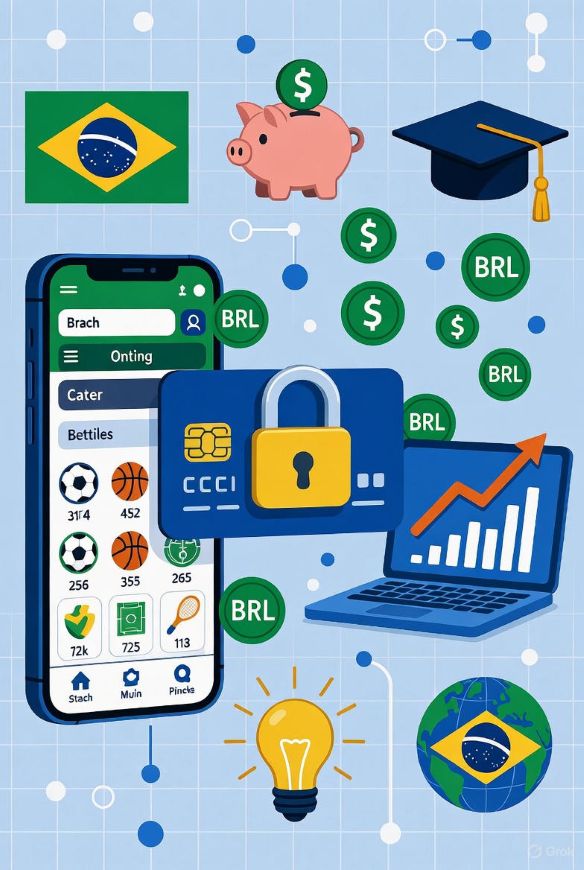
 Gambling has always played a role in many economies. It brings in money through taxes, job creation, and tourism. It also offers entertainment to millions of people who enjoy games of chance. One game that stands out today is Baccarat betting (source: แทงบาคาร่า). Once known as a luxury game for high rollers, baccarat is now more accessible to regular players both in casinos and online platforms.
 Always make sure that it is licensed by an established authority. On a vetted listing, only those that comply with legal gaming protocols are often listed, reducing the risk and maximizing trust.
 In case you want more background, you may be interested in the post articles about the gaming industry, like “
 Free sports streaming platforms have exploded in popularity, offering fans access to live games without the hefty price tags of traditional broadcasters. This shift is shaking up the sports economy, particularly the betting industry, which thrives on real-time engagement. But what does this mean for betting partnerships and sponsorships? Let’s dive into the transformation.Accessibility drives this revolution. Fans can access live matches and live score updates through platforms like Livescore138 (live skor). This democratization of access boosts viewership, especially among younger audiences who prioritize affordability. Consequently, betting platforms see a surge in active users, as free streaming fuels real-time wagering. For instance, in-play betting—where fans place bets during a game—has skyrocketed, with revenues projected to hit $12.37 billion in 2024. Yet, this increased engagement comes with challenges for betting operators accustomed to exclusive partnerships.




 As a regulated online casino operator, Bet365 significantly contributes to government tax collections. These levies sponsor public services, including infrastructure, education, and healthcare.

 In terms of revenue, the location may have a big impact on it. Take a look at Las Vegas and Atlantic City, the biggest gambling industries. Compared to the other gambling places in other regions, the two can generate more money. This is because a huge amount of people go to these cities every year as tourist hotspots.