
Tag: casino

How Player Spending Patterns Differ at Non-Swedish Licensed Casinos
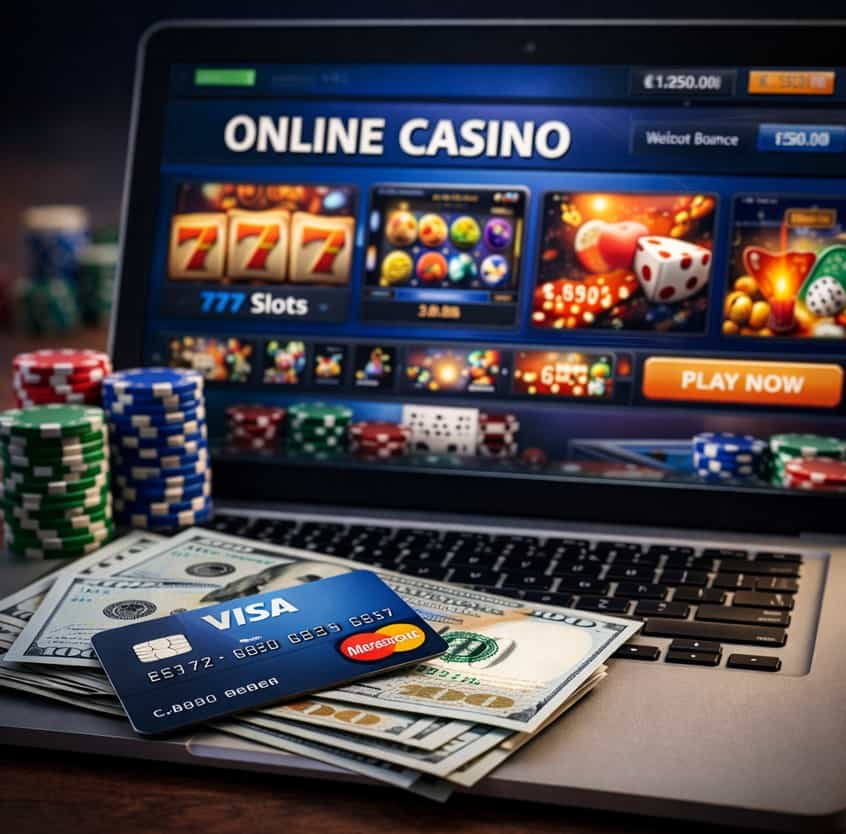
The landscape of online gambling in Sweden shifted dramatically in 2019 with the introduction of a regulated licensing system under the Swedish Gambling Authority. Licensed casinos must follow strict rules on bonuses, deposit limits, and player protection. Still, many players visit casinos licensed outside Sweden, often referred to as non-Swedish licensed casinos (casino fast spelpaus), typically operating under authorities in Malta or Curaçao.
Different rules lead to different spending behaviors. Players may deposit, wager, and manage money in ways not possible at Swedish-licensed casinos. Understanding these patterns helps explain player choices and changes in gambling habits.

Fewer Deposit Restrictions

One of the clearest differences involves deposit limits. Swedish-licensed casinos must follow strict responsible gambling measures. These include mandatory deposit limits that players must set before they start gambling.
Non-Swedish licensed casinos usually impose fewer restrictions. Many let players deposit large sums without caps. Some have voluntary limits, but these are often optional.
As a result, spending can be less controlled, making it easier for players who wish to deposit frequently or place larger bets. This often leads to higher average deposits per session compared to Swedish sites. Not all players spend more. Many still follow personal budgets. But larger spending is possible, changing the overall pattern.

More Frequent Bonus-Driven Deposits

Swedish law restricts bonuses to a single welcome offer. Once a player has claimed it, the casino cannot offer ongoing promotions, such as deposit-based reload bonuses or free spins. Non-Swedish licensed casinos operate differently. They often provide several types of promotions, including:
  • Weekly reload bonuses
  • Cashback offers
  • Free spin campaigns
  • Loyalty rewards
  • VIP bonuses
These promotions encourage more frequent deposits. Instead of occasional deposits, some deposit repeatedly to get new bonuses. This encourages a pattern in which players deposit smaller amounts more frequently, driven by both gameplay and bonus offers.

Use of Alternative Payment Methods

Payment methods also affect spending behavior. Swedish casinos rely heavily on local payment methods such as Trustly, which enable quick deposits and withdrawals. Casinos without a Swedish license often support a wider range of payment options. These can include:
  • Cryptocurrencies
  • International e-wallets
  • Prepaid vouchers
  • Traditional bank transfers
  • Mobile payment systems
Cryptocurrency gambling changes how players perceive spending. With funds in digital wallets instead of bank accounts, some treat them separately from daily finances and are more willing to use them for gambling. In essence, alternative payment methods, especially cryptocurrencies, can make deposits feel less connected to personal finances, which often increases willingness to gamble and alters deposit patterns.

Longer Playing Sessions

Session length also differs. Swedish-licensed casinos must show responsible gambling reminders and encourage breaks, interrupting long sessions. Non-Swedish-licensed platforms may experience fewer interruptions. Some still offer responsible gambling tools, but the experience is usually less structured.
Without frequent reminders, players may play longer than on Swedish platforms, leading to higher total wagering even with similar bet sizes.
This pattern is common among experienced players who prefer fewer interruptions. Overall, players who prefer fewer interruptions may experience longer gambling sessions and higher overall wagers, underscoring the impact of fewer reminders at non-Swedish platforms. Swedish casinos cannot provide aggressive loyalty rewards that push players to spend more. Non-Swedish-licensed casinos often operate traditional VIP systems. These programs reward high-spending players with perks such as:
  • Higher withdrawal limits
  • Exclusive bonuses
  • Personal account managers
  • Faster payouts
  • Invitations to special events
These incentives often lead VIP players to increase deposits or bet sizes over time to reach higher tiers.
This behavior is particularly evident among high-roller players who actively seek casinos that offer strong VIP benefits.

Greater Variety of Betting Strategies

Game selection also influences spending behavior. Swedish casinos must comply with specific technical rules, which can affect how games operate. For example, there are limits on autoplay features and spin speeds. Casinos outside Sweden may offer a broader range of gameplay options. Players might encounter:
  • Faster slot spins
  • Autoplay features
  • Higher maximum bets
  • A wider range of international game providers
These features let players try different betting strategies. Some place many small bets quickly, while others focus on fewer large wagers. Because faster gameplay can increase total wagering volume, even with similar deposit amounts.  Spending behavior often reflects why players choose non-Swedish casinos.
Some seek larger bonuses. Others want fewer restrictions or access to payment methods not found on Swedish sites. Some just want more games. These motivations influence spending. Bonus hunters may deposit often in small amounts. High-rollers seek VIP rewards and larger bets. Crypto users gamble with funds outside the banking system.
This creates broader spending patterns than on Swedish-licensed platforms, where rules create a more standardized experience. Player spending patterns at non-Swedish licensed casinos differ mainly because the rules are different. Fewer deposit limits, ongoing bonuses, wider payment options, and flexible gameplay all influence how players deposit and wager.
Some players spend more per session, while others deposit more frequently to take advantage of promotions. VIP programs and faster gameplay also raise wagering. At  the same time, spending habits still vary widely from one player to another. Personal budgeting, experience level, and motivation all play a role.
What is clear is that regulatory structure shapes behavior. When restrictions change, spending patterns usually follow suit. Understanding this connection helps explain why some players prefer casinos outside the Swedish licensing system.


Gambling in the Economy: How Does It Affect Economic Growth?

Gambling has been around for centuries, and its effects on the economy have been studied extensively. Some argue that it can lead to increased economic growth, while others argue that it can have a negative impact on the economy.

Effects on Economic Growth

Gambling and economic growth have a close relationship. In theory, gambling can increase economic growth by increasing the money circulating in the economy. More money in the economy generally leads to more economic activity, which in turn leads to more jobs and more economic growth.

More gambling also means more people spending their money on gambling, which creates new economic activity and leads to more taxes for the government.

However, gambling can also have a negative effect on economic growth. Gambling can decrease economic growth when it leads to additional spending that could have otherwise been put toward productive economic activities. Additionally, gambling can be a drain on government revenues, which may lead to decreased government spending.

Gambling and economic growth interact with each other in a complex and nuanced way. Thus, it is important for governments to carefully regulate gambling activities to minimize any economic drawbacks and maximize economic benefits.

Social and Ethical Implications of Gambling

Gambling has a long and controversial history, with many people saying it is an unethical activity that is only enjoyable because people are occasionally lucky enough to win money. Others, however, argue that gambling is a form of entertainment that is no different from going to a movie or watching sports.

In this sense, the social and ethical implications of gambling are debated, and often depend on the type of gambling being discussed. Some types of gambling are more ethically acceptable than others, and certain types may be more socially acceptable than others too.

Gambling can lead to social costs as well as economic benefits. There may be negative externalities to excessive gambling, such as people losing their life savings or becoming addicted. Additionally, gambling may encourage unethical behavior, such as rigging outcomes to benefit a particular gambler. Finally, gambling can be associated with criminal activities, such as fraud and money laundering, which can lead to costly regulation for the government.

Should Gambling be Allowed?

In essence, gambling has its pros and cons. The way how people deal with it will dictate the fate of gambling’s impact both on personal level and economic level. Authorities should put in place strong regulations to prevent pitfalls that are associated with gambling.

คาสิโน – Online Gambling Trends To Expect In 2022

For many decades, casino games are very much enjoyed by a massive number of people worldwide. When casinos started operating and offering their games and services in the online landscape, online casinos and online gambling in general have become even more prevalent and further increased in popularity. Online gambling sites have made it incredibly easier, simpler, more accessible convenient for people to enjoy their favorite casino game or bet on their much-love sport.

คาสิโน – Enjoying The Benefits of Online Casinos

Playing at an online casino could be so much fun as there are plenty of opportunity to win and earn some money. Also, even if you aren’t really adept with computers, playing at an online casino is simple and easy, as well as safe as long as you choose a reliable and reputable online คาสิโน.

UFA600, for instance, is one of the best and reliable online sports betting website and online casino where a variety of exciting casino games are offered. You have the option to play on their website or on a mobile device like your smartphone as their platform is Android and iOS ready. With UFA600, you don’t only get to enjoy their online คาสิโน and sports betting platform, but also benefit from the numerous bonuses and promotions it offers, the quality of services it delivers, as well as the safety and security it provides all its users.

2022 Online Gambling Trends

Online gambling is always developing and advancing where it makes the most of new technologies so as to make the gaming and gambling experience of players so much better. The 21st century carries on to work on innovations that would help in expanding and progressing the gambling sector, which is why new ideas and concepts are anticipated in 2022. With that, here are a number of the trends expected to continue or arrive in the online casino niche next year.

Cryptocurrency To Be More Prevalent In The Online Gambling Industry

Bitcoin as well as other digital currencies will perhaps obtain the largest portion of the industry of digital payments from online gambling platforms. At the moment, only a few online bookmakers and online casinos accept Bitcoin as well as other altcoins as payments. However, most sites are ready to integrate cryptocurrency as a mode of payment. They are simply waiting for the go signal of the legal bodies.

Access Countries that are Restricted

With the increased support, acceptance and use of cryptocurrency, this will push online casinos and online bookies to accept players who are from countries that are restricted. Because of the rising use of digital currencies, online gambling and betting sites will ow be accessible in areas where brick-and-mortar casinos as well as betting shops are prohibited.

Upgraded Live Casino Gaming

In 2020, live casinos have become prevalent because of the pandemic that forced brick-and-mortar casinos to cease operations in order to stop and prevent the spread of the deadly virus. Today, a lot of players have become interested in live casinos as it is more interactive than the simple online casinos. As live casinos is a success, surely it will receive more improvements and upgrades, which will definitely draw in more players from all over the world. This, however, would mean that physical casinos would face a quick decline.

Conclusion

The iGaming industry is rapidly expanding worldwide, fueled by the ever increasing demand from players across the globe, the chances and opportunities for the casino industry is abundant. However, with this incredible growth, we would also be expecting increased concerns on certain gambling problems such as money laundering and gambling addiction.

https://youtu.be/tF_3IPtw1gA

How Did The Slot Machine Make Its Way Into The Casino?

If there is one thing that can symbolize the casino, that would be the slot machine. Many newbies in the gambling business are getting hooked into this loud and colorful slot machine, as it gives the players a simple yet thrilling way to grow their money at hand. The rules of the slot machine are not that complicated compared to the other gaming machines at the casino, which is probably the reason why many people flock in front of the slot machines to increase their winnings.

Whoever came up with the idea of a slot machine truly was a genius, as this invention is being enjoyed by many generations. However, would you believe that the slot machine was not originally intended to be placed inside a casino? It is also not also intended to be made to satisfy the people’s gambling needs.

Whether your aim is to win more money or not, the slot machine truly serves its purpose: to bring us entertainment.

A Casino in Macau

The Origin Of The Slot Machine In The Late 19th Century

Based on reliable records, the precursor to the actual slot machine was not invented until the last years of the 19th century. In its prototype form, the slot machine was intended to be an arcade machine in which people visiting in bars would have something to spend their time while having fun. The New York-based gaming company Sittman and Pitt came up with the idea of a machine with 5 drums, all of them containing a total of 50 playing cards. In this case, this machine assumes the role of a person dealing cards. To play, you must insert a nickel and afterwards, you can pull the lever for the machine to deal the cards. In the event that the machine deals you with a lucky combination of poker hands, you will get a great payout.

The main difference between this early version of the slot machine and the one that we know today in casinos is that the latter readily gives out the winnings of the player. The prototype slot machine cannot not give the payouts automatically, so the player must go to the bar’s counter to collect his winnings. This is the same reason why many does not really recognize Sittman and Pitt’s creation as the first slot machine.

The Birth Of The Real Slot Machine

Further tweaks were made in the early version of the machine as bar owners believe that players could win easily. Thus, it was decided to remove 2 cards from the original 50 to increase the house edge. These 2 cards removed were the ten of spades and jack of hearts, which made sense since it would lower the chance of the player having a royal flush in his hand.

Fast forward to this day, the slot machine has evolved so much that it has become the center of attraction of a live casino.


The Economic Advantages Of Having Casinos In Communities

One form of entertainment that many individuals find rather appealing is gambling. For instance, many individuals prefer online casino sites like BandarQQ, since individuals are allowed to make the smallest possible deposits enabling players to put in only a few dollars which is sufficient to check out the site for gambling games. Because of this, players aren’t forced to deposit a substantial amount of money that they might eventually lose.

Today, increasingly more cities across the United States are realizing the economic advantages that land-based casinos could generate on their local economies. Researchers have discovered cities that have casinos have wages or salaries that are generally greater compared to cities or areas that do not have or are situated far from casinos.

The Economic Advantages of Casinos

As per a report issued by the American Gaming Association, areas with casinos perceive a sharp and clear uptick in terms of employment at the casinos as well as in other neighboring businesses like restaurants, retail stores, hotels as well as tourist attractions.

Revenues from Tax and Other Benefits

Casinos, Sports books, and places where individuals play bingo for cash, for instance, contribute to the cities’ and states’ general economy. Residents typically see greater values on properties in areas with a casino and increased opportunities for employment wherein it in turn brings about an increase in tax revenues which could help and sustain the funds for community services as well as community infrastructures.

Benefits Set Against Costs

Although there’re casinos could be, in some ways, be beneficial to the community and its economy, there could be some downsides to having a casino in communities as well. Several businesses might see a decline in their revenue especially if the casino includes a feature that competes directly with businesses surrounding the area, for instance a café, restaurant or a boutique. People visiting the casino have a tendency to remain within the property than venturing beyond it to visit other shops, restaurants, cafes and attractions.

Residents residing in communities that have a casino also have concerns. Many complained that having casinos operating in the area has brought about higher crime rates which are usually committed by individuals with gambling addictions who are desperate to get hold of enough cash so as to satisfy their gaming addiction. However, study has discovered that individuals with gambling addiction are also frequently predisposed to substance abuse at higher rates.

Because of this, numerous communities, upon erecting their casinos, have realized the need to as well provide professional services like counseling for addiction and treatment for such complex disease. Communities that opt to directly help and assist individuals suffering from addiction to alcohol, drugs or gambling have discovered that in dealing with the problem, the general economic benefits, in the end, considerably prevail over the costs.

𐌢