
What MZPlay Slot Reveals about the Gambling Industry’s Role in Economic Growth?
The growth of online casino platforms such as MZPlay slot reflects a broader trend in digital entertainment, gambling has become a technology-driven industry with economic effects that extend well beyond the games themselves. While slot games remain a popular form of online entertainment, the businesses that develop, operate, and support these platforms contribute to a much larger ecosystem involving software development, cybersecurity, payment processing, customer service, and digital infrastructure.
In jurisdictions where online gambling is legal and properly regulated, the industry can contribute to economic growth through employment, tax revenue, technological innovation, and private investment.
However, these benefits are closely tied to effective oversight. Without appropriate regulation, the economic gains may be offset by consumer harm, fraud, or inadequate responsible gambling protections. Understanding the industry’s broader role requires looking beyond the reels and examining the systems that support modern online gambling.
The Digital Economy behind Online Gambling
Online gambling platforms rely on far more than game design.
Operating a modern casino website requires a combination of technical expertise, regulatory compliance, and ongoing operational support. Every platform depends on teams responsible for maintaining secure systems, developing software, managing customer accounts, and processing transactions.
This creates employment opportunities across multiple sectors, including:
- Software engineering and game development
- Cybersecurity and fraud prevention
- Customer support and account management
- Digital marketing and content production
- Payment processing and financial technology
- Data analytics and business intelligence
- Legal and regulatory compliance
Many of these positions require specialized technical skills that contribute to the broader digital economy. As gambling companies compete by improving platform performance, mobile compatibility, and user experience, they also invest in technologies that benefit related industries.
The result is an ecosystem where online gambling functions not only as an entertainment business but also as a technology-driven employer.
Tax Revenue and Public Economic Benefits
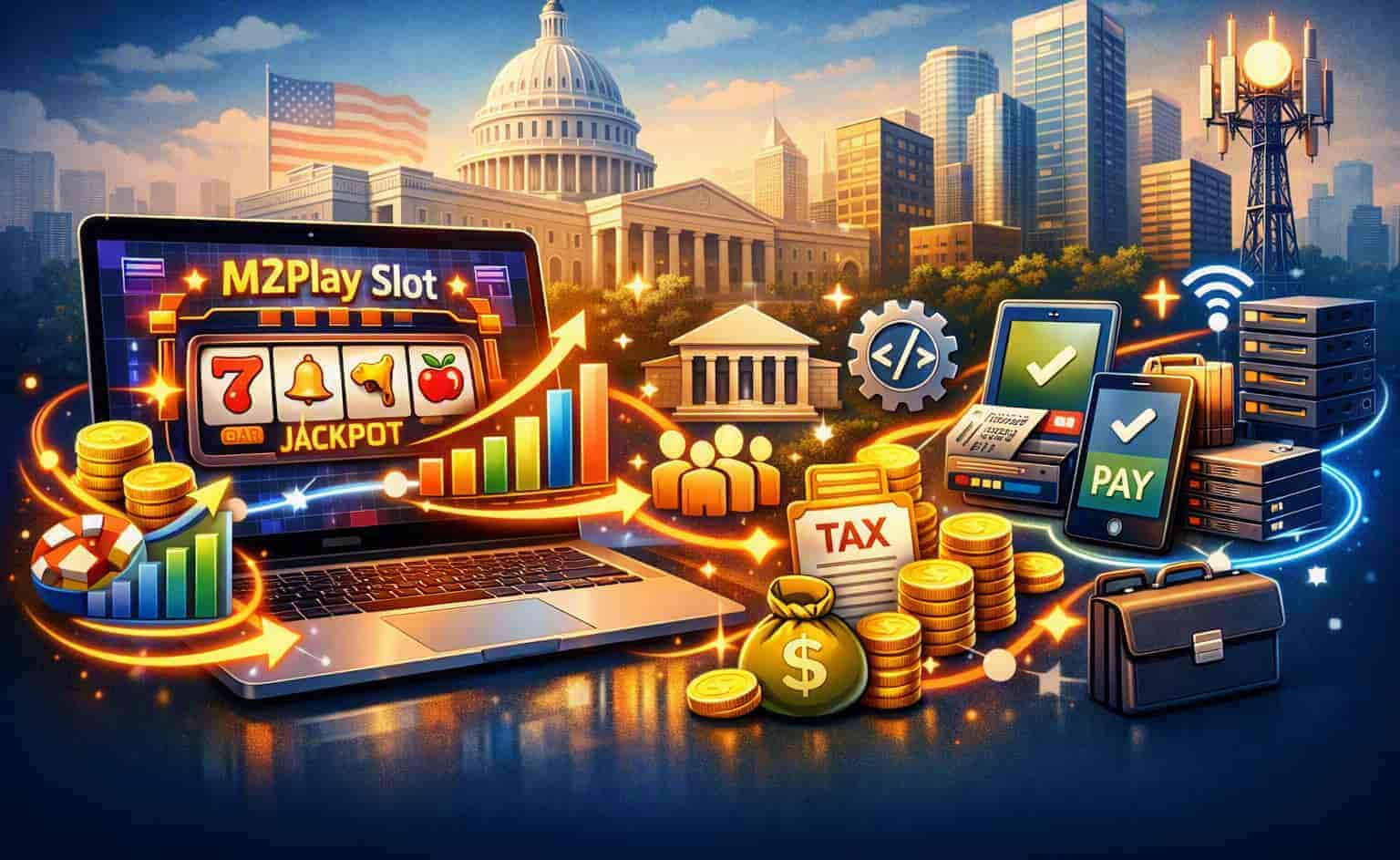
In countries where online gambling is licensed and regulated, governments may collect revenue through licensing fees, corporate taxes, gaming duties, and other regulatory charges. These funds can contribute to public budgets and support government services, although how the revenue is allocated varies by jurisdiction. Potential public benefits include funding for:
- Healthcare programs
- Education initiatives
- Public infrastructure
- Regulatory enforcement
- Responsible gambling programs
- Community development projects
Tax revenue alone should not be viewed as the sole justification for expanding gambling markets. Rather, it represents one component of a regulated industry that operates within a legal framework designed to balance economic activity with consumer protection.
Transparent taxation also encourages licensed operators to compete within established legal standards instead of shifting activity toward unregulated markets.
Technology Investment Extends beyond Casino Games
Competition among online gambling operators encourages continuous investment in digital technology. Modern platforms require reliable infrastructure capable of supporting thousands of simultaneous users while protecting sensitive financial and personal information. Areas receiving ongoing investment include:
- Cloud computing infrastructure
- Cybersecurity systems
- Secure payment technologies
- Mobile application development
- Artificial intelligence for fraud detection
- Data protection and encryption
- Live streaming technology for dealer games
Many of these technologies have applications beyond gambling. Advances in payment security, identity verification, and digital fraud prevention can influence broader financial technology and e-commerce sectors. Likewise, software development expertise cultivated within the gaming industry often contributes to innovation in adjacent digital industries.
In this way, gambling companies can become participants in a country’s wider technology ecosystem rather than operating as isolated entertainment businesses.
Economic Growth Depends on Strong Regulation
While the gambling industry can generate economic activity, sustainable growth depends on effective regulation. Licensed operators must meet standards designed to protect consumers, ensure fair gaming practices, and reduce opportunities for criminal activity, which is why, key regulatory priorities typically include:
- Player identity verification
- Anti-money laundering compliance
- Fair game testing and certification
- Data privacy protection
- Responsible gambling tools
- Advertising standards
- Financial reporting requirements
Responsible gambling measures are particularly important. Access to support resources, reality checks, self-exclusion programs, deposit limits, and similar features are integral in any gambling business’ operation. These safeguards strengthen public confidence while supporting a more sustainable industry.
Governments also play a central role by monitoring compliance, enforcing licensing conditions, and adapting regulations as technology evolves. Economic benefits are most likely to be realized when innovation is balanced with accountability.
Building a Sustainable Industry Beyond Entertainment
Platforms such as MZPlay slot illustrate how online gambling has evolved into a sophisticated digital industry supported by software, cybersecurity, financial technology, and regulatory systems. While casino games remain the visible product, the economic activity generated behind the scenes extends far beyond entertainment.
In regulated markets, the industry can contribute through skilled employment, technology investment, tax revenue, and digital infrastructure development. At the same time, these benefits are sustainable only when supported by strong legal frameworks that prioritize transparency, consumer protection, and responsible gambling practices.
Looking beyond, the games reveal a broader picture. The online gambling sector is not simply about betting, it is part of a larger digital economy that intersects with technology, finance, regulation, and public policy. As the industry continues to evolve, its long-term economic value will depend not only on innovation but also on maintaining public trust through effective oversight and responsible operation.