
The Economic Impact of Risky Online Betting Platforms in Brazil
Brazilians spent over R$68 billion on online betting in the year leading up to mid-2024. This massive figure shows how quickly the sector has grown. Yet much of this money flowed to overseas platforms with little oversight. Now, with regulation in place since January 2025, the country faces a key choice: stick to safe options or risk unregulated sites.
The rise of online gambling has changed spending habits across Brazil. Many players turn to virtual casino games for quick entertainment. These platforms offer slots, roulette, and poker from home. However, poorly rated or unregulated sites often lead to problems. Players face delayed payouts, unfair games, or even total loss of funds when sites disappear.
How Unregulated Platforms Drain the Economy
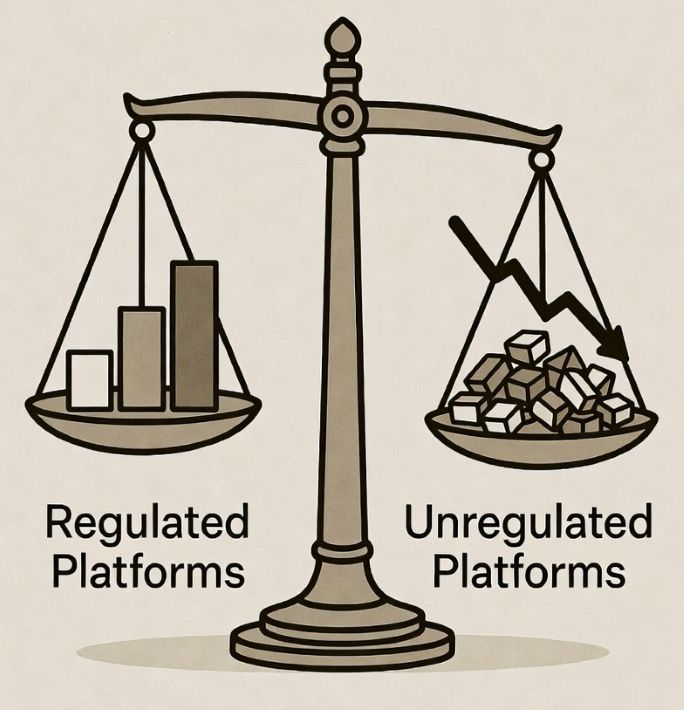
Unregulated platforms hurt more than individual wallets. They drain money from the local economy. Funds sent abroad do not create jobs here or pay taxes.
In contrast, licensed operators contribute to government revenue. By late 2025, over 80 companies hold federal licenses. They pay fees and taxes that support public services. Experts estimate the regulated market could generate billions in annual taxes. This money funds health, education, and infrastructure.
Building Consumer Trust
Risky sites erode trust in the entire industry. When players lose money to scams, they grow wary of all betting. This slows growth in the legal sector.
Regulated platforms must follow strict rules. They use certified games, secure payments, and tools for responsible play. Features like deposit limits and self-exclusion help prevent addiction.
Shifting Money Flow
Money flow shifts dramatically with regulation. Before 2025, much spending left Brazil. Now, licensed sites keep more funds circulating locally.
They partner with banks and payment systems under oversight. This reduces risks like money laundering. It also boosts related industries, such as tech and advertising, creating thousands of jobs.
Threats to Market Stability
Unregulated betting threatens stability. Illegal operators hold 40-50% of the market even after regulation. They offer better odds or fewer checks to attract players. But this undercuts legal sites.
It leads to lost tax revenue, estimated at R$10 billion yearly. Authorities have blocked thousands of illegal domains. Still, new ones appear.
Benefits of Regulation
On the positive side, regulation promotes stability. Licensed platforms invest long-term. They sponsor sports and follow advertising rules. This builds a sustainable industry.
Studies show regulated markets protect vulnerable players better. They channel funds into the economy instead of offshore accounts.
Wider Economic Effects
Excessive gambling can reduce consumer spending elsewhere. Some reports link the betting boom to slower retail growth. Families divert money from essentials to bets. This hits small businesses.
Regulated sites counter this with responsible tools. They alert players to risky behavior and limit losses.
Choosing safe platforms matters for everyone. Licensed options ensure fair play and quick withdrawals. They support Brazil’s growth through taxes and jobs.
Conclusion
In the end, risky online betting platforms harm Brazil’s economy in many ways. They reduce trust, send money abroad, and destabilize the market. Safer, regulated gambling changes that. It keeps funds local, generates revenue, and protects players. As the sector matures, opting for licensed virtual casino games benefits individuals and the nation. A strong, regulated market leads to lasting economic gains.