
Month: December 2025

The Economic Impact of Online Betting Platforms: Mr Jack Bet in Brazil

Brazil’s digital economy has grown fast over the past decade, with online services now shaping jobs, taxes, and consumer habits. One sector gaining attention is online betting, which has moved from a fringe activity to a structured market that supports real economic activity.

As regulation improves, platforms that operate transparently are setting new standards for trust and growth. This shift has pushed demand toward secure betting websites, where compliance, payment safety, and local oversight matter. Mr Jack Bet is one example of how an online betting brand can align entertainment with economic contribution.

Licensing and Regulation as Economic Foundations
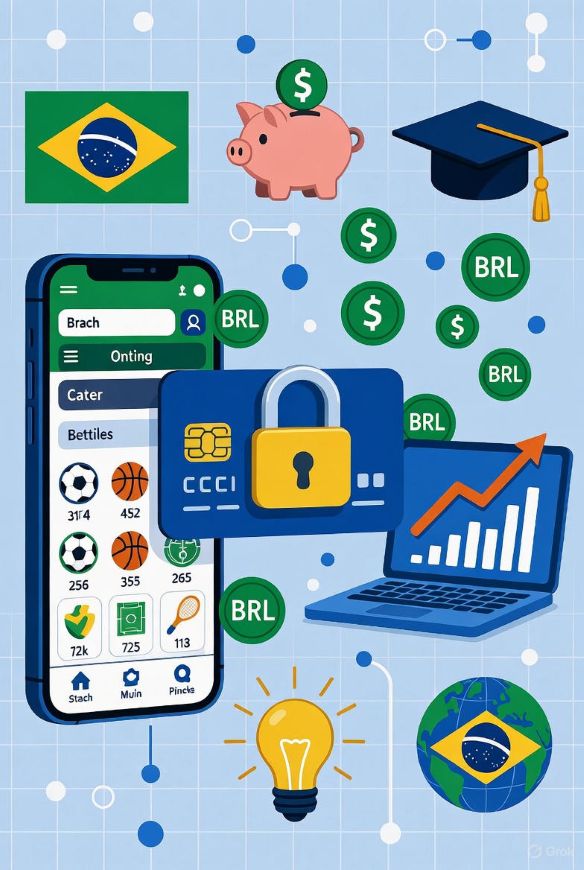
Licensing sits at the center of Brazil’s online betting economy. When platforms follow national rules, they pay fees and meet legal standards that feed public systems. These licenses help governments track activity and reduce informal gambling. Over time, this creates a safer market that attracts more users and more investment.

For platforms like Mr Jack Bet, operating under clear guidelines supports long-term planning. Licensed operators invest in compliance teams, legal advisors, and local partnerships. Each layer adds skilled roles to the economy and strengthens confidence in the sector. Regulation turns betting from a gray market into a measurable industry.

Job Creation in the Digital Betting Ecosystem

Online betting platforms employ more people than many users realize. Beyond developers and designers, there are customer support agents, data analysts, payment specialists, and marketing teams. Many of these roles are remote-friendly, which fits Brazil’s growing digital workforce.

Mr Jack Bet’s operations reflect this wider ecosystem. Technical maintenance, mobile optimization, and security monitoring require steady staffing. As demand rises, so does the need for trained professionals. This creates career paths in tech and digital services, areas already vital to Brazil’s economic future.

Tax Revenue and Public Benefits

Tax contributions are one of the clearest economic impacts of regulated betting. When platforms report earnings and process payments through official channels, governments can collect taxes that support public services. These funds can help finance infrastructure, education, and digital inclusion programs.

Consumers also benefit from this structure. Taxes tied to betting activity encourage better oversight of payouts and promotions. This balance helps ensure that growth does not come at the cost of consumer protection. As trust builds, users are more likely to choose secure betting websites that operate within the system.

Supporting Brazil’s Digital Payment Economy

Online betting has played a role in accelerating digital payments in Brazil. Fast transfers, mobile wallets, and instant payment systems are now common across betting platforms. These tools reduce cash reliance and push wider adoption of digital finance.

Mr Jack Bet’s use of local payment methods supports this trend. Each transaction strengthens Brazil’s fintech network and encourages innovation in payment security. The result is a smoother experience for users and a stronger digital infrastructure for the country.

Market Growth and Long-Term Economic Impact

The online gambling market continues to expand as smartphones and internet access improve. With proper oversight, this growth can remain stable and beneficial. Platforms that invest in technology and transparency help raise industry standards.

Over time, this stability attracts foreign interest and partnerships. Brazil becomes a regional hub for regulated online betting, creating new streams of revenue. In this environment, secure betting websites are no longer optional, they are essential for sustainable growth.

READ ALSO: The Economic Impact of Brazil-Focused Online Gambling Platforms

Conclusion

Online betting platforms now play a visible role in Brazil’s economy through licensing fees, jobs, and tax income. Mr Jack Bet shows how a regulated operator can support digital growth while offering entertainment. As rules mature and adoption rises, secure betting websites will continue to shape Brazil’s digital economy in meaningful ways.
The Economic Impact of Risky Online Betting Platforms in Brazil

Brazilians spent over R$68 billion on online betting in the year leading up to mid-2024. This massive figure shows how quickly the sector has grown. Yet much of this money flowed to overseas platforms with little oversight. Now, with regulation in place since January 2025, the country faces a key choice: stick to safe options or risk unregulated sites.

The rise of online gambling has changed spending habits across Brazil. Many players turn to virtual casino games for quick entertainment. These platforms offer slots, roulette, and poker from home. However, poorly rated or unregulated sites often lead to problems. Players face delayed payouts, unfair games, or even total loss of funds when sites disappear.

How Unregulated Platforms Drain the Economy

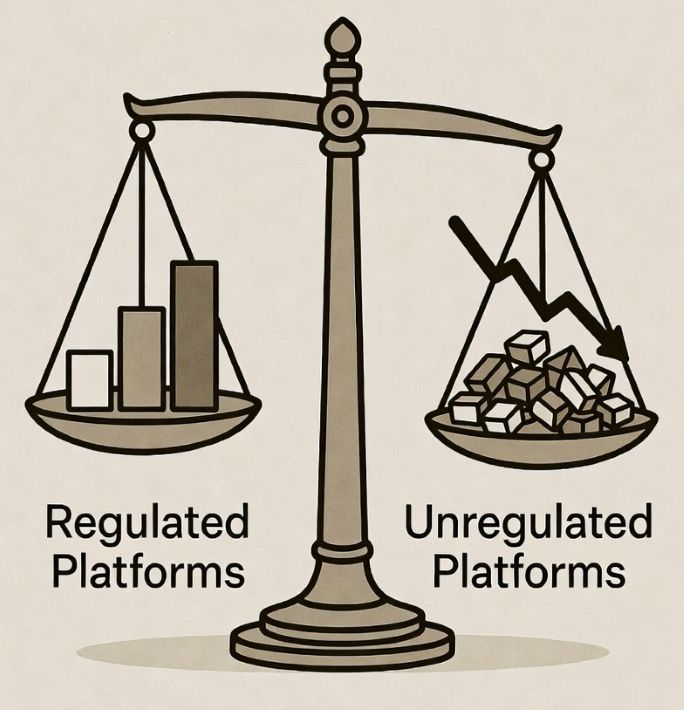
regulated and unregulated platforms

Unregulated platforms hurt more than individual wallets. They drain money from the local economy. Funds sent abroad do not create jobs here or pay taxes.

In contrast, licensed operators contribute to government revenue. By late 2025, over 80 companies hold federal licenses. They pay fees and taxes that support public services. Experts estimate the regulated market could generate billions in annual taxes. This money funds health, education, and infrastructure.

Building Consumer Trust

Risky sites erode trust in the entire industry. When players lose money to scams, they grow wary of all betting. This slows growth in the legal sector.

Regulated platforms must follow strict rules. They use certified games, secure payments, and tools for responsible play. Features like deposit limits and self-exclusion help prevent addiction.

Shifting Money Flow

Money flow shifts dramatically with regulation. Before 2025, much spending left Brazil. Now, licensed sites keep more funds circulating locally.

They partner with banks and payment systems under oversight. This reduces risks like money laundering. It also boosts related industries, such as tech and advertising, creating thousands of jobs.

Threats to Market Stability

Unregulated betting threatens stability. Illegal operators hold 40-50% of the market even after regulation. They offer better odds or fewer checks to attract players. But this undercuts legal sites.

It leads to lost tax revenue, estimated at R$10 billion yearly. Authorities have blocked thousands of illegal domains. Still, new ones appear.

Benefits of Regulation

On the positive side, regulation promotes stability. Licensed platforms invest long-term. They sponsor sports and follow advertising rules. This builds a sustainable industry.

Studies show regulated markets protect vulnerable players better. They channel funds into the economy instead of offshore accounts.

Wider Economic Effects

Excessive gambling can reduce consumer spending elsewhere. Some reports link the betting boom to slower retail growth. Families divert money from essentials to bets. This hits small businesses.

Regulated sites counter this with responsible tools. They alert players to risky behavior and limit losses.

Choosing safe platforms matters for everyone. Licensed options ensure fair play and quick withdrawals. They support Brazil’s growth through taxes and jobs.

READ ALSO: The Role of Online Gambling in Driving Growth, Innovation, and Financial Stability in the Digital Age

Conclusion

In the end, risky online betting platforms harm Brazil’s economy in many ways. They reduce trust, send money abroad, and destabilize the market. Safer, regulated gambling changes that. It keeps funds local, generates revenue, and protects players. As the sector matures, opting for licensed virtual casino games benefits individuals and the nation. A strong, regulated market leads to lasting economic gains.

The Economic Impact of Brazil-Focused Online Gambling Platforms

Brazil has more than 215 million people, a large internet audience, and one of the fastest-growing digital markets in Latin America. This scale makes the country attractive to global betting companies that want to localize their platforms and invest in Brazil’s online economy.

Brazil-focused gambling sites are designed around local habits, language, and payment systems. Platforms such as BetMGM Brasil operate as a fully localized online casino, using Portuguese interfaces, familiar sports markets, and regional support teams. These features encourage user trust and longer engagement, which translates into higher digital activity and measurable economic impact.

Strengthening Brazil’s Digital Economy

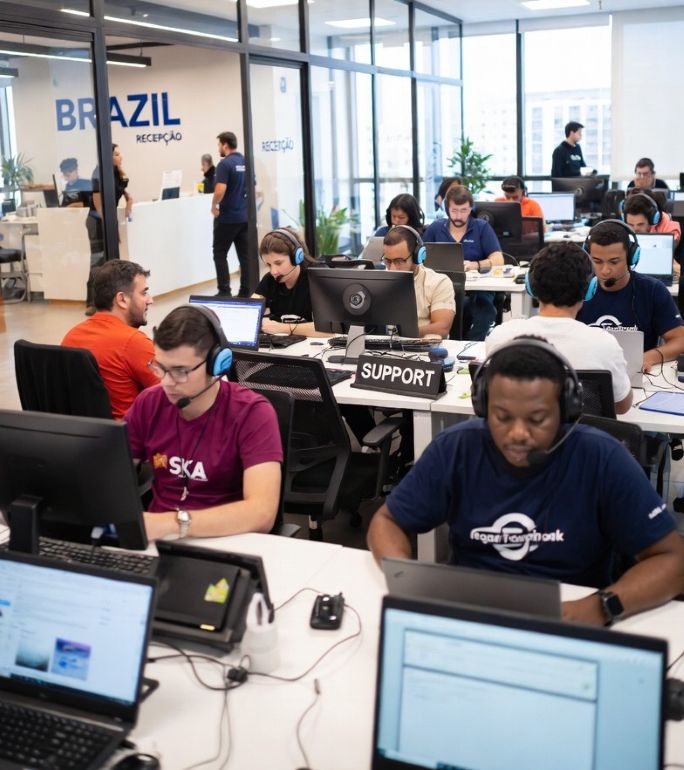
Office scene showing Brazilian tech and customer support teams working on laptops

Online gambling platforms rely on advanced technology to operate smoothly.

Servers, mobile apps, data security systems, and live betting tools all require skilled professionals. As Brazil-focused platforms expand, they create demand for local developers, designers, data analysts, and cybersecurity specialists.

This demand supports Brazil’s growing tech workforce. Many companies choose to hire locally to better understand user behavior and regulatory expectations. The result is steady growth in digital jobs tied directly to the betting ecosystem. These roles often pay above-average wages, which helps circulate income through the broader economy.

Tax Revenue and Public Funding Potential

Regulated gambling platforms open the door to new tax streams. Licensing fees, corporate taxes, and transaction-based charges can provide consistent revenue for public budgets. When platforms operate transparently, governments gain better oversight and more predictable income.

This revenue can support infrastructure, education, and digital regulation efforts. While tax frameworks continue to evolve, the presence of established brands signals long-term commitment. Over time, this creates a stable relationship between regulators and operators, which benefits the wider digital market.

Job Creation Beyond Technology

The economic impact goes beyond software teams. Brazil-focused platforms require large customer support operations. These teams handle account questions, payments, promotions, and responsible gaming tools. Most of these roles are based locally to ensure cultural understanding and fast response times.

Marketing, content creation, and compliance roles also grow alongside user bases. Writers, translators, social media managers, and legal advisors all play a part. Together, these jobs form a broad employment network linked to the betting industry.

Partnerships With Local Businesses

Online gambling platforms rarely operate in isolation. Payment providers, digital advertisers, streaming partners, and sports media companies all benefit from collaboration. Brazilian payment systems like Pix are a strong example. Their integration helps normalize digital payments and drives transaction volume.

Sports clubs, influencers, and media outlets also gain new revenue channels through sponsorships and content deals. These partnerships strengthen local brands and keep marketing budgets within the country. Over time, this supports a healthier digital business environment.

READ ALSO: How Sports Fans Are Driving the Economics of Freedom in Casinos Without OASIS

Encouraging Responsible Market Growth

Brazil-focused platforms are increasingly aware of social responsibility expectations. User limits, spending controls, and clear account tools help build long-term trust. A stable user base supports sustainable revenue rather than short-term spikes.

As regulation becomes clearer, the online gambling sector can mature alongside other digital industries. A well-managed online casino market encourages innovation while reducing risk, which is essential for lasting economic impact.

Looking Ahead

Brazil’s size and digital habits make it a natural hub for localized betting platforms. Investment in technology, jobs, and partnerships shows how focused strategies can deliver real economic value. As the market develops, the online casino sector has the potential to remain a steady contributor to Brazil’s digital economy, supporting growth that extends far beyond betting itself.

𐌢